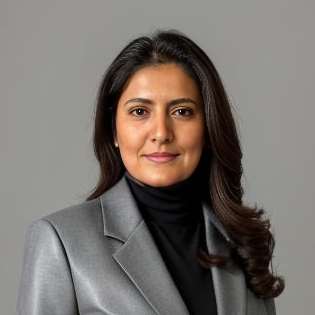
About Carl
Data in healthcare is not scarce. Meaning is. Most organisations are drowning in dashboards and starved of insight. Carl Sheldrick has spent over 20 years solving that problem: turning complex health data into the products, platforms, and models that leaders actually use to make better decisions.
Carl trained as a computer systems engineer at Nottingham University before spending a decade in technology leadership, including Head of IT at The Berkeley Partnership. When he joined Strasys in 2016, he brought that engineering discipline to healthcare analytics, building the firm's data architecture, modelling capability, and product development practice. He is a regular presenter and facilitator at the Microsoft Reactor on health analytics, and has deep expertise in predictive analytics, machine learning, system dynamics simulation, health economics, and cloud platforms including Microsoft Azure and Amazon Web Services.
His skill is triangulating complex data to discover the stories hidden within it, then presenting those stories so that leaders can make decisions with confidence.
Carl's recent work at Strasys includes developing the Workforce Decision Intelligence product with University Hospitals of Liverpool Group, working with Integrated Care Boards on clinical services blueprints, conducting clinical service reviews and service improvement programmes, and supporting the design and transformation of group models across the NHS. He has also led population segmentation analytics to inform investment prioritisation for health and social care transformation, developed estates strategies for merging CCGs, supported the economic case for a new NHS hospital build, and conducted data mining and modelling for a five-year mental health strategy covering a population of 1.7 million.
Carl has built the data platform, tools, and methodologies that enable Strasys teams to pull in new data and interrogate it quickly. He has established data governance frameworks for multi-organisation patient data sharing, built business intelligence tools for assessing and monitoring the performance of NHS providers, and conducted maturity assessments of business intelligence capability across healthcare organisations. His work connects the technical infrastructure with the strategic questions that boards need answered.